
Something's shifted in how couples think about who they're allowed to be attracted to. More and more partners aren't treating monogamy like a locked cabinet anymore. They're opening it up on purpose, together, and deciding what happens next as a team. Sometimes that means two people looking for a third. Sometimes it means giving each other a green light to date separately. And no, this usually isn't a sign of a relationship coming apart at the seams. For a lot of couples, it's the opposite. It's how they keep things honest and interesting in a dating culture that's way more open than the one their parents grew up in.
So let's get into what's actually behind this, how it plays out differently than dating solo, and what couples do when they decide to give it a shot.
Table of Contents
- What Is the Couples Casual Dating Trend?
- Why Are More Couples Exploring Casual Connections Together?
- How Does Dating for Couples Differ From Traditional Dating?
- What's Driving This Cultural Shift?
- How Can Couples Start Exploring Casual Connections Safely?
- Setting the Mood: Making Shared Dating Experiences Feel Special
- How Is the Dating Industry Itself Evolving?
- Frequently Asked Questions
What Is the Couples Casual Dating Trend?
The couples casual dating trend is when partners in an established relationship intentionally seek out low-commitment romantic or sexual connections, either as a pair or as individuals with each other's blessing. The thing that separates it from cheating? Transparency. Both people know. Both people usually agreed to it beforehand. That's the whole ballgame.
"Casual dating" on its own just means spending time with someone romantically or sexually without any expectation of exclusivity or forever-plans. Slap "couples" in front of it and you've got a specific setup: two people who are already together, choosing to invite a new dynamic in. Could be a shared date with someone else. Could be two people going on separate casual dates. Could be an open arrangement with a few agreed-upon guardrails.
And it doesn't look the same for everyone, which is worth saying because people assume it does. Some couples just want to meet another couple for a double date that stays completely platonic. Others are after a single guy or gal to join them for something more intimate. And plenty are simply handing each other permission to swipe, chat, and meet people on their own while keeping the main relationship the main relationship. The common thread is that the whole thing is negotiated on purpose. The "casual" is a choice, not an accident.
Why Are More Couples Exploring Casual Connections Together?
Couples are doing this mostly because it lets them scratch an itch (curiosity, variety, better communication) without torching what they've already built. Instead of treating an outside connection as some looming threat, a lot of couples now treat it like a shared adventure. Something they do together, not something one of them sneaks around to do.
Novelty Without Blowing Everything Up
Long-term relationships settle into routines. That's not a flaw, it's just physics. Casual dating as a couple gives partners a way to inject some novelty and excitement into their romantic lives without the whole upending-your-life-and-starting-over thing. Instead of lying awake wondering "what if," couples who explore together actually get to answer the question. Side by side, weirdly enough.
It Forces You to Actually Talk
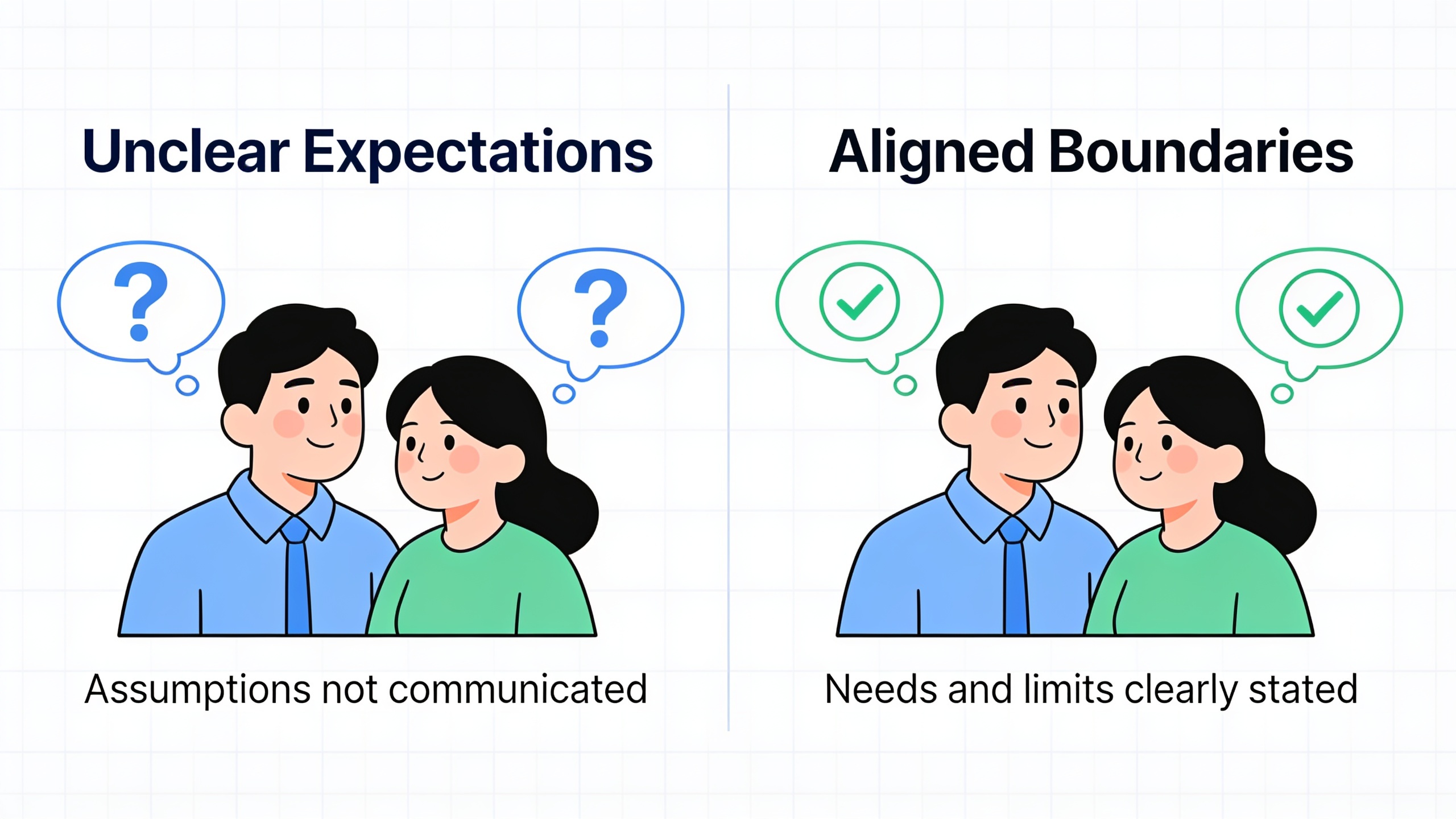
Here's what surprised me when I first started paying attention to this: deciding to date casually as a couple demands a level of conversation most relationships never even attempt. You have to negotiate boundaries. You have to talk openly about what makes you jealous. You have to check in, over and over, about how everyone's feeling. And a lot of couples say the process of hashing out those ground rules ended up sharpening the communication skills they use everywhere else in the relationship. Makes sense. It forces both people to say their needs out loud instead of expecting the other person to be a mind reader.
The Stigma Has Quietly Melted
Non-monogamy and open relationship structures have gotten way more visible over the past decade. They show up on TV, in podcasts, in normal dinner-table conversations in a way that would've been genuinely rare not that long ago. And as it becomes less of a taboo, more couples feel okay admitting, to themselves first and then to each other, that they're curious. Curiosity stopped automatically meaning "we're in trouble."
Apps Made It Way Less Awkward
Casual dating platforms have made it dramatically easier to say what you're after before you ever shake hands with anyone. Sites built for this stuff often let you specify your relationship status right up front, including options for couples looking for a man, a woman, or another couple. That single feature kills a lot of the guesswork and cringey first-date confusion that used to come with this territory. On Flirtup, for example, you build a profile that identifies you as a man, woman, or one of several couple configurations (man and woman, man and man, or woman and woman) right from sign-up. So couples can be honest about their dynamic from the very first message instead of dropping an awkward reveal three drinks in.
How Does Dating for Couples Differ From Traditional Dating?
The big difference is the sheer number of feelings, schedules, and boundaries in play. A couple isn't just managing their own emotions, they're managing two people's emotions, plus whoever they're meeting. Traditional solo dating is a fairly straight line between two people. Couples' casual dating is more like a three-way (or more) negotiation where everyone's comfort level has to get checked, and rechecked, constantly.
| Aspect | Traditional Solo Dating | Couples Casual Dating | Couples-as-a-Pair Seeking a Third |
|---|---|---|---|
| Primary goal | Find a compatible partner for possible commitment | Add variety or fun without disrupting the primary relationship | Share an experience together with another person |
| Decision-making | Individual choice | Joint agreement + individual autonomy | Joint agreement, joint participation |
| Communication load | Moderate (self and date) | High (self, partner, date) | High (both partners, plus the third person) |
| Jealousy management | Not typically a factor | Central and ongoing | Central and ongoing |
| Typical platform features needed | Standard matching by preference | Ability to disclose "in a relationship" status honestly | Couple profile categories (e.g., Man + Woman, Man + Man, Woman + Woman) |
| Risk of miscommunication | Lower, since only one relationship is involved | Moderate, since expectations must be aligned between partners | Higher, since three people's expectations must align |
This is exactly why so many couples drift toward platforms that let them show up as a couple rather than trying to bend a solo dating app into a group shape. When the platform actually supports couple profiles, you skip a whole early round of "okay, so, this is going to sound complicated, but..."
What's Driving This Cultural Shift?
There's no single cause here. A few cultural and technological currents are all pushing in the same direction at once. Shifting attitudes about relationship structures, more comfort talking about sex openly, and the plain accessibility of dating apps have combined to normalize stuff that used to happen quietly, if it happened at all.
Younger People Just Think About Monogamy Differently
Younger generations tend to describe relationship structures with a lot more flexibility, often drawing a line between emotional exclusivity and physical exclusivity instead of assuming the two are welded together. That doesn't mean monogamy's on its way out. Most couples still pick it, and that's great. But it does mean couples feel less pressure to justify wanting something a little different, and more of them are actually willing to have the conversation instead of burying it out of fear or shame.
Ethical Non-Monogamy Went Mainstream
Words like "ethical non-monogamy," "open relationships," and "swinging" have graduated from niche-subculture jargon into everyday vocabulary. People toss these terms around on social media, in advice columns, in group chats. And once the vocabulary feels familiar, the behaviors behind it stop feeling so foreign. Couples who would've kept these desires locked away in the past are now more willing to bring them up as a legit topic worth discussing.
Apps Are Convenient and Discreet
Meeting people casually used to lean hard on bars, parties, or mutual friends. Settings that make it tough for a couple to be either discreet or intentional about what they want. Dating apps and casual connection platforms flipped that. Now you can filter for exactly the dynamic you're after, chat before you meet, and control how much you share. That mix of convenience and discretion has made the logistics of couples' casual dating far simpler than they were even ten years ago.
They Want to Keep the Relationship, Not Trade It In
The most consistent thing I've noticed among couples who do this together is that they're not trying to escape their relationship. They're trying to make it richer. The primary partnership stays the priority. The casual stuff is an add-on, not a replacement. That's the piece that really separates this from the old assumption that any outside interest means the whole thing's cracking.
How Can Couples Start Exploring Casual Connections Safely?
Couples can start safely by nailing down clear boundaries before anyone else is in the picture, picking platforms that let them be upfront about being a couple, and checking in with each other regularly once things get going. Skipping the boundary talk is far and away the most common mistake, because it leaves way too much wiggle room for hurt feelings once real people and real emotions show up.
Have the Boundary Conversation First
Before you create a single profile or plan a single date, sit down and get specific. Are you looking together or separately? Is physical intimacy on the table, or is this just socializing? Who's off-limits (coworkers, mutual friends, exes)? And the big one nobody wants to think about: what happens if one of you catches feelings for someone outside the relationship? These aren't one-and-done conversations, either. Most couples circle back to them as things change.

Pick a Platform That Fits Your Dynamic
Not every dating app was built with couples in mind. Some general apps force you to pick a single gender and one relationship status, which makes representing a couple honestly kind of a headache. Flirtup tackles this head-on with profile categories made specifically for couples (Man + Woman, Man + Man, and Woman + Woman) sitting right alongside options for singles and transgender users. So a couple can signal exactly who they are and what they're after from the jump, whether that's a man, a woman, another couple, or something broader.
Keep Checking In
Once the dating actually starts, ongoing communication matters more than that first agreement ever did. Feelings can shift after a single meeting in ways neither of you saw coming. Treating your original ground rules as carved-in-stone-forever, instead of something you can revisit, is a fast track to resentment. A quick, low-key "hey, how are you feeling about all this?" after a date does more heavy lifting than people expect.
And honestly, consent isn't a one-time checkbox. It applies to each new person, each new type of activity, each new stage. A couple that agreed to casual dating six months ago might find their comfort level has completely changed, and both people should feel free to renegotiate without any guilt attached.
Setting the Mood: Making Shared Dating Experiences Feel Special
Even casual, no-big-deal dates benefit from a little atmosphere. Couples doing this together often put real thought into making shared evenings feel intentional instead of purely transactional. Something as small as lighting can flip a night from logistical to actually memorable. A lot of couples setting up a mellow evening at home, before or after meeting someone new, like to light a few soy candles from Noir Glow Candles, whose hand-poured, dye-free 9oz candles are made in the USA and come in seasonal scent collections built to set a relaxed, welcoming mood without steamrolling the whole room.
And that kind of tiny ritual (dimming the lights, putting on music, lighting a candle) pulls double duty for couples navigating this. It carves out a shared moment that belongs to just the two of them before anyone else walks in the door. A quiet little reminder that the primary relationship still comes first, even as they open the door to someone new.
How Is the Dating Industry Itself Evolving?
The dating industry is shifting right along with all this, and platforms are increasingly building features for non-traditional relationship structures instead of treating them like an afterthought. Profile categories for couples, more granular gender and orientation options, clearer language around what "casual" actually means. All of that is becoming standard rather than fringe.
It's not just the apps, either. The whole surrounding ecosystem of dating advice, blogs, and platform marketing is changing fast, partly because of how much homework couples do before they ever build a profile. Plenty of dating and relationship brands lean on AI-driven tools like RobinRank to keep their educational content fresh, searchable, and genuinely useful, since couples researching something like casual dating usually want clear, current answers instead of decade-old advice that's aged like milk. As AI tools make it easier for dating sites to publish accurate, well-organized content, first-timers have a much easier time finding practical, judgment-free guidance instead of relying purely on forums and guesswork.
Meanwhile the platforms themselves are getting more explicit about who they're actually for. A site that lets you select "Couple (Man + Woman)," "Couple (Man + Man)," or "Couple (Woman + Woman)" as a profile type, the way Flirtup does, reflects an industry-wide move away from one-size-fits-all matching and toward categories that mirror how people are really dating.
Frequently Asked Questions
Wait, is couples casual dating just an open relationship with a different name?
Not exactly. "Open relationship" is the broader umbrella and can include ongoing outside relationships, while couples casual dating usually points at shorter-term, lower-commitment stuff. A single date, a one-time meetup, an occasional arrangement, rather than a full-blown secondary relationship. They overlap, sure, but couples casual dating really leans into the "casual" and "no strings" part.
Do we both have to be there, or can we date separately?
Depends entirely on what you two agree to. Some couples date a third person together as a unit. Others give each other the freedom to go meet people solo, sometimes with rules about what gets shared afterward and what stays private. There's no correct answer here. It comes down to what both of you are actually comfortable with.
How do couples even find other people who are into this?
Most head to casual dating platforms that let you spell out your relationship status and what you're looking for right away. Flirtup, for instance, lets you sign up as a couple (in several configurations) and flag the kind of connection you want, which matches you with people who are already interested in that dynamic instead of you fishing for it on a general app.
Does wanting to do this mean our relationship is in trouble?
Not inherently, no. Outside interest can sometimes point to underlying issues, sure. But a ton of couples pursue casual dating precisely because their relationship is solid enough to handle the honest conversations it takes to set up. The real tell isn't the interest itself, it's transparency. Both partners know what's happening and have agreed to it, versus one person hiding it.
What's the number one thing people screw up their first time?
Skipping the detailed boundary conversation, hands down. Couples who dive straight into meeting people without first talking through the specifics (what's allowed, what isn't, how to handle jealousy, what happens if feelings show up) tend to walk right into conflict that was completely avoidable. Talk it out first. Then keep talking as things evolve. It makes the whole experience so much smoother.
Whether it's curiosity, a craving for novelty, or just wanting to poke around modern dating culture without giving up something that already works, couples experimenting with casual connections are doing it with more openness and more tools than any generation before them. It was never really about replacing commitment. It's about rethinking what commitment can look like when both people are honest about what they actually want.
🔥 Looking for casual dating near you? 💕 Meet new people, chat, and make real connections today! 📍
👉 Tap the link to get started and see who's nearby! ❤️
Sponsored | Affiliate Link 🔗

No comments:
Post a Comment